


The Supreme Court is preparing to resolve a major constitutional conflict over federal spending, a shift away from recent rulings on the removal of federal officers. While cases like Trump v. Slaughter dominated the headlines, three less-noted orders suggest the Court is turning its attention to who controls the money. Congress traditionally holds the “power of the purse,” but President Donald J. Trump has mounted an aggressive effort to expand presidential authority. That push has sparked more than 160 lawsuits, only a few of which have reached the High Court so far.
Department of Education v. California
The first major case to arrive at the Court was Department of Education v. California. Eight states challenged the Education Department’s cancellation of over 100 teacher-training grants. The plaintiffs argued the terminations were arbitrary and capricious under the Administrative Procedure Act (APA). A district court initially granted a temporary restraining order. The Supreme Court eventually granted a stay, deciding that the APA does not waive sovereign immunity for money cases. According to the Court’s majority, disputes over money must go to the Court of Federal Claims, not the district courts.
This ruling hinged on Great-West Life & Annuity Insurance Co. v. Knudson, which established that the limited waiver of sovereign immunity does not extend to orders enforcing contractual obligations to pay money. The Court effectively told the states they must take their grievances regarding the grant payments to a different venue.
Related: Courts Rule in Favor of Agency Adjudication
National Institutes of Health v. American Public Health Association
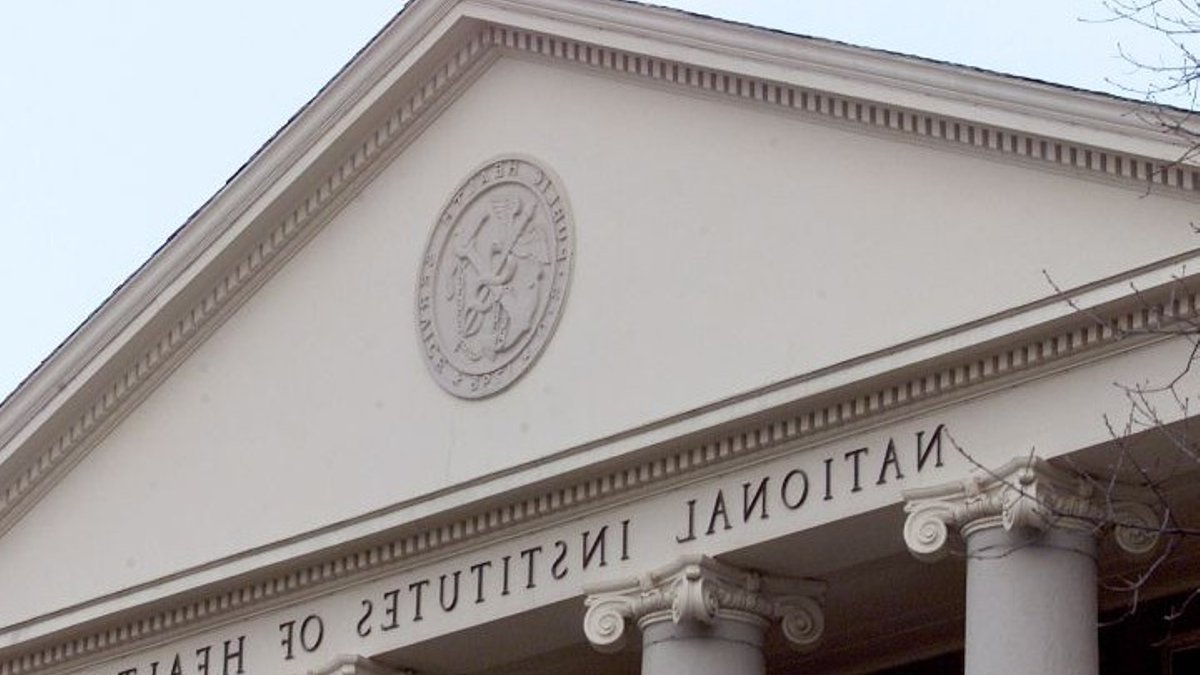
A similar, more contentious dispute arose in National Institutes of Health v. American Public Health Association. Here, plaintiffs challenged the NIH’s systematic grant terminations and the policy directives behind them. The directives stated the NIH would no longer fund research related to DEI objectives, gender identity, or COVID-19. A lower judge blocked both the grants and the directives. The Supreme Court stayed the grant portion of the ruling but let the directive ruling stand. This produced five separate opinions, revealing deep divisions on the bench.
Justice Amy Coney Barrett wrote the controlling opinion. She applied the logic from the Education case, arguing that challenges to grant terminations belong in the Court of Federal Claims. However, she split the baby, allowing the policy challenge to proceed in district court because it was prospective and established rules for the future. Chief Justice John G. Roberts, joined by Justices Sotomayor, Kagan, and Jackson, dissented. They argued all claims, including the directives, should be heard in district court.
Justice Jackson, in the longest opinion the case produced, criticized the rushed process. She called it a “cautionary tale about lawmaking on the emergency docket.” Justice Gorsuch and Justice Kavanaugh offered separate concurrences and dissents, with Gorsuch complaining that lower court judges had not abided by the Court’s order in Education.
Related: Why Hire a Local Tampa Car Accident Lawyer?
This legal battle highlights a shift in how Congress interacts with the administrative state. The executive branch is effectively carving out a new space for itself where it decides funding priorities without direct legislative input. If the courts continue to defer to these agency interpretations, Congress may lose its ability to check the executive effectively. The resulting imbalance suggests that while litigation is a tool, it might not be enough to restore the legislative branch’s traditional authority over federal funds.
Opponents of the Trump administration’s initiatives have looked to the courts to challenge executive aggrandizement. Legal scholars, however, warn that this strategy is just as likely to boost judicial power as it is to check the President. They contend that Congress must take the lead in defending its constitutional prerogatives, rather than relying on the judiciary to resolve every spending dispute.


